Is a Free Wi-Fi Login Page Safe? What to Check Before Using a Captive Portal

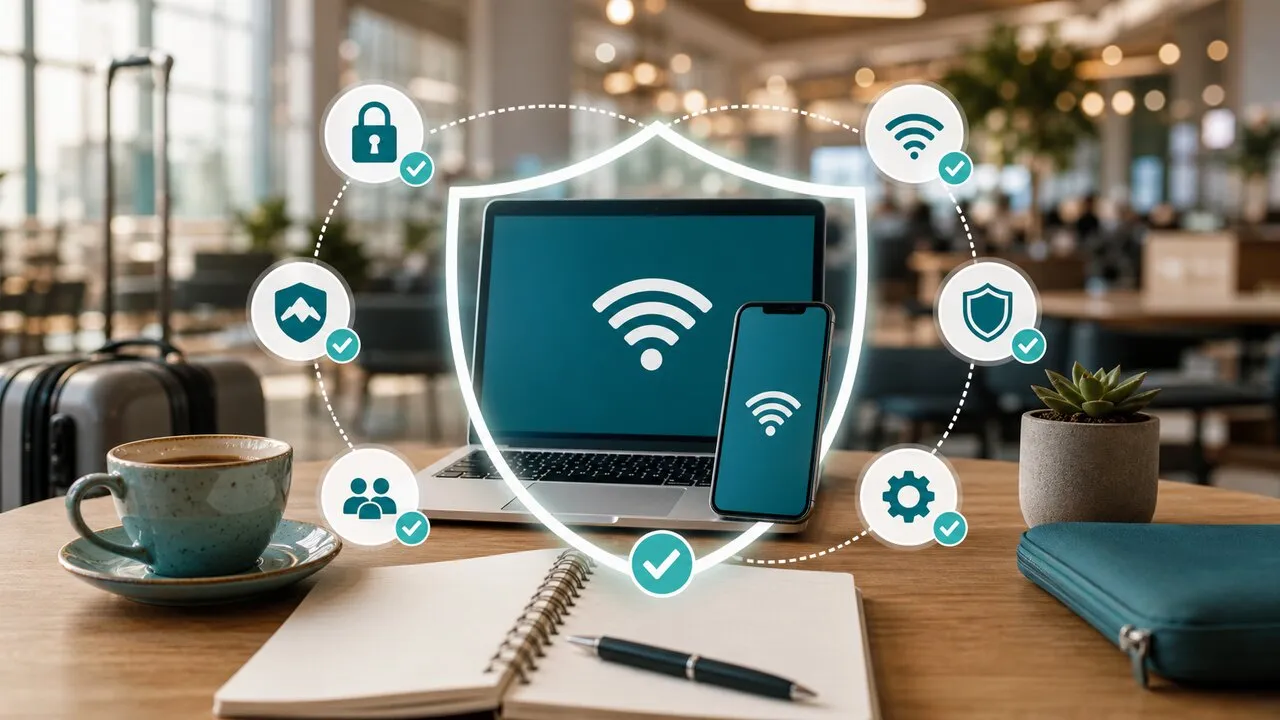
A free Wi-Fi login page can be legitimate, but its appearance alone does not make the network safe. Treat a captive portal as an access gate: verify who operates it, provide only the minimum information it reasonably needs, and do not continue through certificate warnings or unexpected downloads.
The safest order is to confirm the network name, complete the portal without opening sensitive accounts, establish normal internet access, and then turn on your VPN before using email, banking, work tools, or cloud storage.
What a captive portal actually does
A captive portal is the welcome or sign-in page that appears after you join Wi-Fi but before the network gives you full internet access. Airports, hotels, libraries, hospitals, cafés, and conference venues use portals to show terms, issue a time-limited session, collect a room number or voucher, or charge for access.
That function is ordinary. It does not prove that the hotspot name is genuine, that the operator secures the local network well, or that every field on the page deserves your information. A convincing fake hotspot can display an equally convincing welcome page.
Think of the portal and the connection as two separate questions:
- Is this the venue’s real access page? Check the network name, page address, and request being made.
- Is it sensible to use this shared connection for what I am about to do? Protect later traffic and postpone unusually sensitive tasks when possible.
Check these signals before entering anything
First, compare the Wi-Fi name with a sign you can trust or ask a staff member. Do not choose a stronger signal simply because its name contains words such as “guest,” “free,” or the venue’s name. Lookalike names are easy to create.
Next, inspect the portal itself. A normal page may ask you to accept terms, enter a venue-issued code, confirm a room detail, or provide an email address. Stop and use mobile data if it asks for the password to your email, social account, Apple or Google account, bank, or employer. A public hotspot should not need those credentials merely to provide internet access.
Also stop if the browser reports an invalid certificate, the page asks you to install a certificate or configuration profile, or an unexpected app begins downloading. Never dismiss a browser security warning just to make public Wi-Fi work. Ask the venue to confirm its process instead.
Use the portal in the right order
- Verify the network name with the venue. A printed card at the desk is more reliable than guessing from the Wi-Fi list.
- Join, but keep important apps closed. Wait for your device’s network sign-in prompt rather than following a link from a message or QR code you did not verify.
- Read the address and the request. Share the least information the service accepts. Use a venue code when one is offered instead of creating a reusable password.
- Finish the gate before starting sensitive work. Some VPN connections prevent the local portal from appearing because the network has not yet granted internet access. If that happens, pause the VPN only long enough to complete the verified portal, then reconnect it immediately.
- Confirm the VPN is connected. Only then open work email, cloud files, shopping, or other signed-in services.
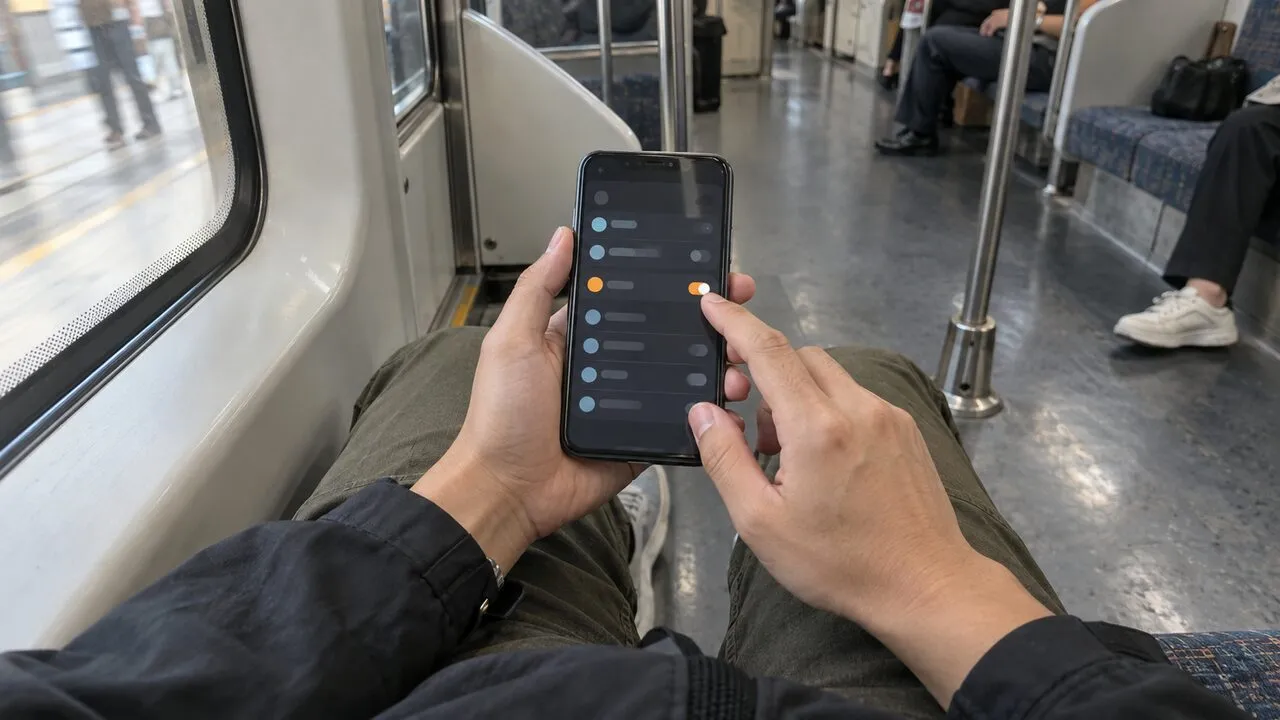
On iPhone and iPad, selecting a captive network normally opens a system login screen; Apple also lets you disable Auto-Join and Auto-Login for that network. ChromeOS similarly prompts for a sign-in page on public networks. If the page does not appear in Chrome, Google’s documented troubleshooting path is to open a plain http:// page to trigger the portal. Use that only to reveal the gate—do not type account credentials into an unencrypted page.
What a VPN can and cannot protect here
Once connected, a VPN encrypts traffic between your device and the VPN service, which reduces what people on the same Wi-Fi and the local operator can inspect in transit. This is useful on a shared network whose setup you cannot audit.
However, the portal sits in front of normal internet access. A VPN cannot tell you whether the hotspot name is fake, make a fraudulent form honest, or undo information you voluntarily entered. It also cannot rescue a page after you ignore a certificate warning. Portal verification comes first; encrypted everyday use comes next.
For the broader limits, see what a VPN protects and leaves exposed. The distinction matters: encryption is a strong layer, not a substitute for checking where you are typing.
If the login page will not appear
Start with the least invasive fixes. Disconnect and rejoin the confirmed network, reopen the device’s Wi-Fi settings, or use its “sign in to network” notification. Temporarily pausing a VPN, private DNS tool, content filter, or browser extension can allow the local gate to load; restore the protection as soon as the portal completes.
If a browser displays a certificate or privacy error, do not press through it. Try the operating system’s network prompt or a plain HTTP test page solely to summon the portal. If the venue cannot explain the error, switch to cellular data or a personal hotspot. Installing an unknown certificate is not a troubleshooting step.
Leave without creating a future surprise
When you finish, sign out of the portal if it offers that option and forget the network on your device. Disable automatic joining for hotspots you do not use regularly. Otherwise, your phone or laptop may reconnect later without the same deliberate check.
The portal may identify a session by details such as a temporary account or device address, so closing the browser tab is not always the same as ending access. Forgetting the network is the clearer boundary.
A ten-second decision rule
Use the network only when all four statements are true: the venue confirmed the Wi-Fi name, the portal request matches the setting, the browser shows no security warning, and you can enable protection before opening important accounts. If any one fails, mobile data is the better choice.
A captive portal is not automatically dangerous and not automatically trustworthy. For a repeatable routine beyond the login screen, keep the public Wi-Fi safety checklist handy; travelers can also compare the different risks of hotel and airport Wi-Fi.