Does AI Know Where You Are? IP Addresses, Location Access, and Personalization
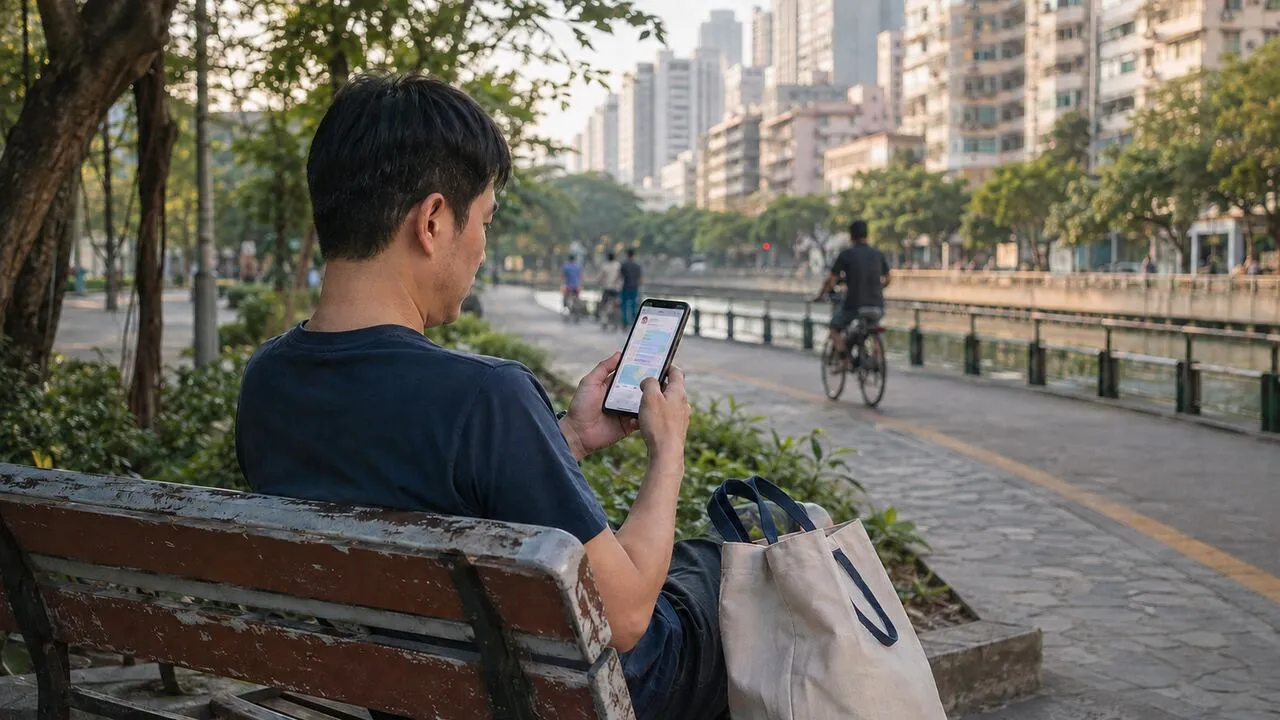
An AI tool may know your general area even when you never type your city. Your public IP address can suggest a country, region, or city, while precise GPS-style location normally requires a separate browser or app permission. The tool may also infer where you are from your prompt, photos, account history, language, time zone, or connected services.
These signals are not equally precise, and turning off one does not erase the others. The practical approach is to identify which layer supplies the location, then change that layer’s permission, data, or connection.
“Location” can mean four different things
When a weather answer or restaurant suggestion feels unusually local, it does not prove that the AI has your exact coordinates. It may be using one or more of these sources:
- Network location: the service sees a public IP address as part of receiving an internet request. An IP-location database can associate it with a broad area, but the result can be wrong because of mobile routing, corporate gateways, carrier networks, or VPN servers.
- Device location: a phone, operating system, or browser can combine GPS, nearby Wi-Fi, Bluetooth, and cellular signals. Apps and websites generally need permission before receiving this more specific location.
- Information you provide: a neighborhood name in a prompt, location metadata in a photo, a calendar entry, or “near my office” can reveal more than a network estimate.
- Account context: saved preferences, past conversations, regional settings, connected apps, and a managed workplace account may supply location clues when the product is designed to use them.
Ask “which source produced this result?” before assuming the most invasive explanation.
An IP address usually gives an estimate, not a dot on a map
Every online service needs routing information to return data to your connection. The public IP visible to a destination often maps to the internet provider’s network or exit point rather than your home. It can be useful for choosing a language, showing local news, detecting suspicious sign-ins, or improving nearby search results, but it is not a reliable street address.
The estimate can shift when you move from home Wi-Fi to mobile data, travel, use a company network, or connect through a VPN. A site may think you are in the city where a carrier or VPN server exits. Conversely, a stable IP estimate combined with a prompt containing a district, commute, and landmark can become much more revealing than the IP alone.
Precise location is a permission you should inspect
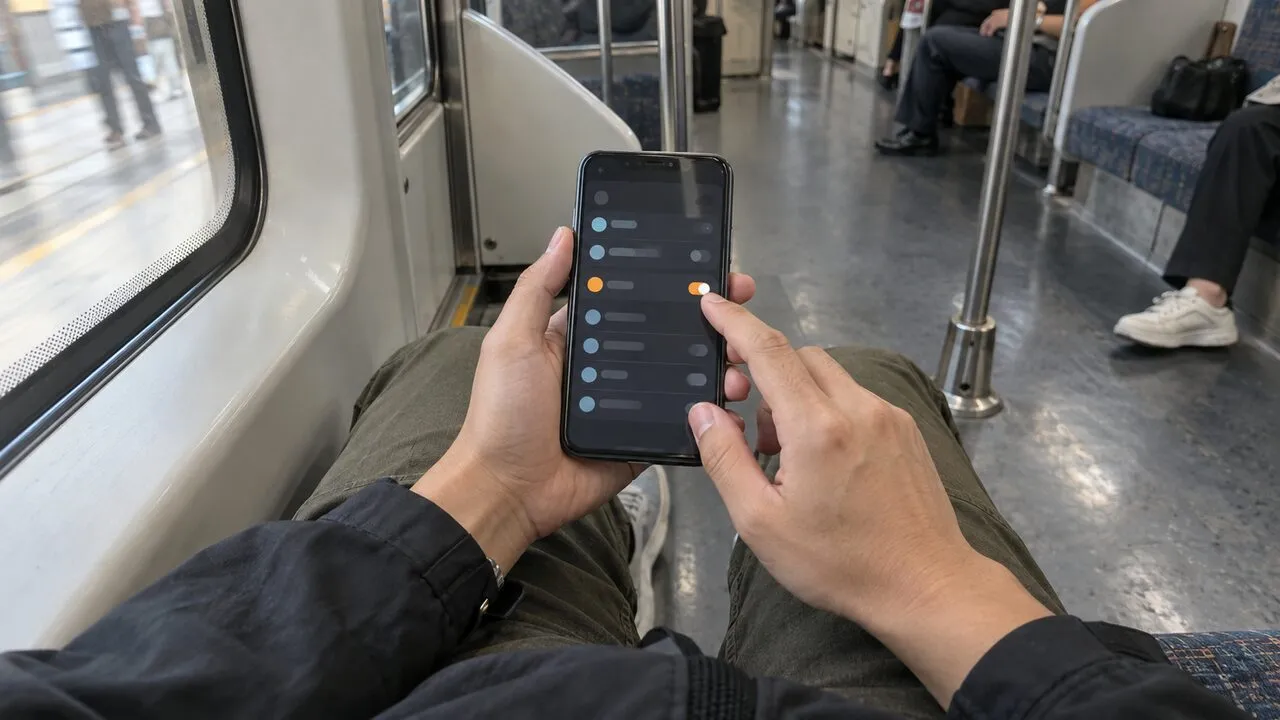
Modern phones let you control location access per app. On iPhone, the relevant path is Settings → Privacy & Security → Location Services; you can choose an access level and turn Precise Location off for an app that only needs an approximate area. On many Android devices, open the app’s information page, then Permissions → Location to choose whether access is allowed, limited to use, requested each time, or denied; supported versions also offer a precise-versus-approximate choice.
Browsers maintain a separate permission for each website. A web AI assistant cannot treat permission granted to its mobile app as automatic permission in every browser, and the reverse is also true. Check the icon beside the address bar or the browser’s site settings, then review the AI product’s own data controls as a third layer.
Menu labels can change with operating-system updates. Use the current settings search if the path differs, and deny access first if the product cannot explain why it needs your location.
Your own context can identify a place more accurately than GPS
People often remove a city name but leave a recognizable combination: a station entrance, school timetable, local event, delivery receipt, and view from a window. Photos may include embedded coordinates or visible clues. Uploaded documents can contain addresses, regional office names, file metadata, and time-zone information.
Conversation history matters too. “Find dinner nearby” is vague in isolation, but a previous message may already say where you are staying. Memory or personalization features may retain a home city or travel preference, depending on the service and your settings. Connected calendars, maps, email, or travel tools add another data path, so review each connection rather than treating the chatbot as the only recipient.
Before sending location-sensitive material, use the same minimization habit described in our guide to data shared with AI chatbots: crop screenshots, remove metadata, replace exact places with a city or region, and disconnect integrations that the task does not need.
Personalization is useful, but it should be intentional
Local context can improve weather, transit, event, shopping, and emergency information. The privacy question is not whether every location signal is bad; it is whether the precision matches the task and whether you understand what will remain in the conversation.
For a country-level holiday question, an IP estimate or region setting may be enough. A request for the nearest open pharmacy may benefit from temporary precise access. A writing or coding task usually needs no location at all. Prefer the smallest useful area, grant access only while using the feature when possible, and remove location details from the prompt once they stop helping.
Also separate live coordinates from the answer they produce. Even if a service does not retain a precise coordinate after fulfilling a request, the names of nearby places in its response can remain in chat history. Delete or avoid saving the conversation when that derived context is sensitive.
What a VPN changes—and what it cannot change
A VPN replaces the public IP address seen by the destination with the VPN server’s public IP. This can reduce IP-based exposure to the local network and make an AI service estimate the VPN server’s general area instead of your network’s exit area. It also encrypts traffic between your device and the VPN server, which matters on shared Wi-Fi.
A VPN does not revoke location permission, turn off GPS, remove coordinates from a photo, erase a city you typed, or prevent account history and connected apps from supplying context. If device location is enabled, an app can receive that location separately from the IP route. Read what a VPN protects and leaves exposed before treating a changed IP result as complete anonymity.
A five-minute location privacy audit
- Test without volunteering a place: start a new chat and ask for a broad local result. Note whether the answer names a country, city, or precise nearby place.
- Check the product controls: look for location, memory, personalization, chat history, and connected-app settings. Remove stale home, work, and travel details.
- Review browser permission: inspect location access for the AI website, not just the browser’s global switch.
- Review phone permission: choose approximate access, while-in-use access, ask-every-time, or deny according to the feature you actually use.
- Inspect what you upload: remove photo coordinates, addresses, booking codes, school or workplace names, and background clues that are not needed.
- Check connected services: disconnect calendars, maps, mailboxes, or travel accounts that no longer serve a clear purpose.
- Use network protection for the network layer: on shared Wi-Fi, verify the network and use HTTPS; add a VPN when you want to protect the route and replace the visible public IP.
The key is to avoid a single “location on/off” mental model. IP estimates, device coordinates, prompt details, and account context are separate inputs. Control them separately, and an AI tool is less likely to know more about your whereabouts than the task requires.