Do You Need a VPN? 5 Everyday Situations That Show If You Do
A VPN is worth it if your daily routine includes any of these: using public Wi-Fi, traveling abroad, signing in to banking or work accounts away from home, reaching home-country services while overseas, or wanting to expose your network location less. If none of those describe you, it is fine to skip one. The five situations below are a quick way to decide without reading a spec sheet.
1. You regularly use Wi-Fi you don’t control
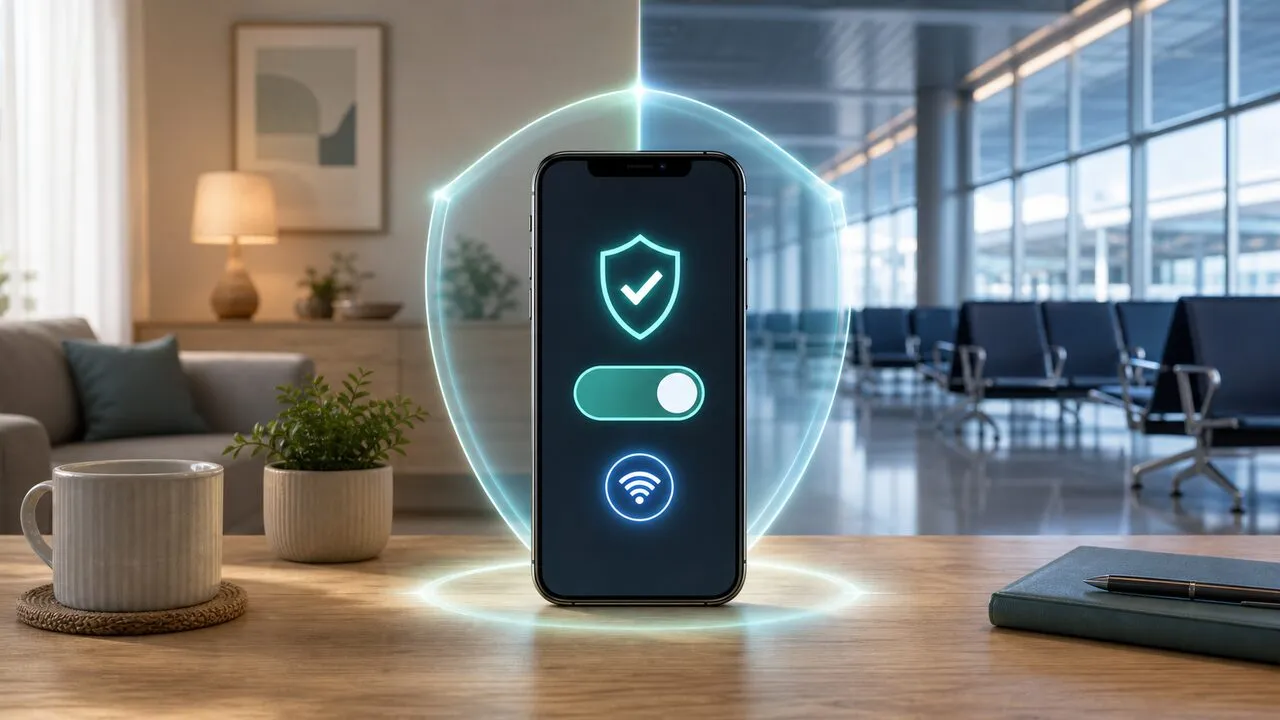
If you sign in to email, banking, or work tools from cafe, hotel, airport, or coworking Wi-Fi, that is the clearest reason to keep a VPN handy. On a shared network you rarely know who set it up or who else is connected, and an encrypted tunnel makes it far harder for anyone nearby to read what you send. People who only ever use their own home network and mobile data feel this benefit the least. If public Wi-Fi is part of your week, walk through our public Wi-Fi safety checklist first.
2. You travel or spend time abroad
Connections behave differently once you cross a border: networks you have never seen before, accounts that ask extra verification questions because the login looks unusual, and apps that change by region. A VPN gives you a consistent, encrypted connection no matter which hotel or airport network you land on, and lets you pick a connection location that fits where you actually are. The more often you travel, the more these small frictions add up — and the more a VPN earns its place on your phone.
3. You sign in to money or work accounts on the move
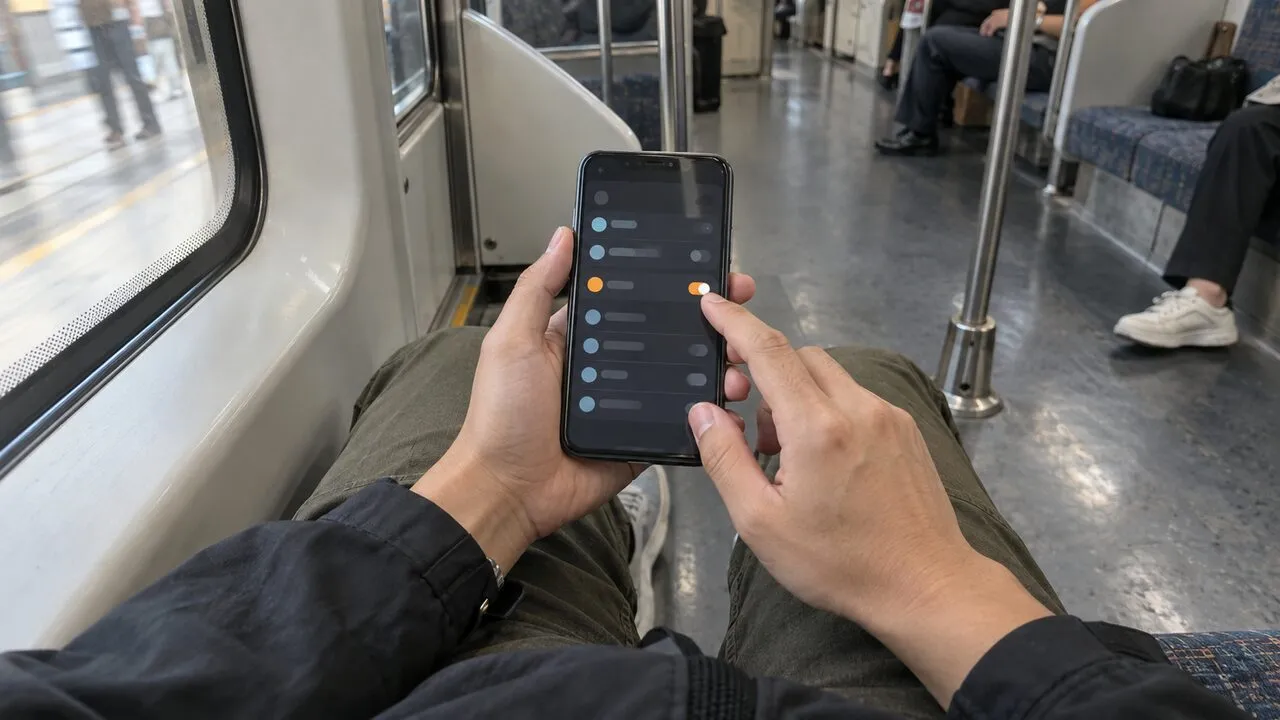
Logging in to online banking, a brokerage, or company systems from outside your home network is a higher-trust moment. You are handing credentials and sometimes one-time codes across whatever connection happens to be available. Adding an encrypted layer before you type a password is cheap insurance for accounts where the downside of exposure is real. If most of your sensitive logins happen at home on a network you trust, this one matters less.
4. You want to reach home-country services from overseas
Streaming apps, banking portals, and government or shopping sites often look and behave differently — or stop working entirely — when you open them from another country. If you live, study, or work abroad and still rely on services back home, choosing a connection location closer to home can smooth this out. Our guide on watching Taiwan streaming abroad walks through what a VPN can and cannot help with here.
5. You’d rather not broadcast your network location
Even on a network you trust, every site you visit sees the location your connection comes from, and that feeds into tracking and profiling. A VPN does not make you anonymous, but it does limit how directly your real network location is exposed as you browse. If reducing that everyday footprint matters to you, it is a reasonable nudge toward keeping one on.
When you probably don’t need one
Be honest with yourself, too. If you almost always use your own home Wi-Fi or mobile data, rarely travel, and only browse local content, a VPN adds little to your day. It is a tool for specific situations, not a setting everyone must turn on. The point of the five checks above is to match the tool to how you actually live.
So, do you need a VPN?
Count how many of the five situations describe a normal month for you. One or two strong matches — frequent public Wi-Fi, regular travel, sensitive logins on the move — already make a simple VPN worth it. If you are still deciding which one, our notes on how to choose a VPN focus on what actually matters for everyday use in Asia: a stable connection and clear privacy, not the longest feature list.