Internet Safety for Chinese Speakers Living Abroad: A Long-Term Routine
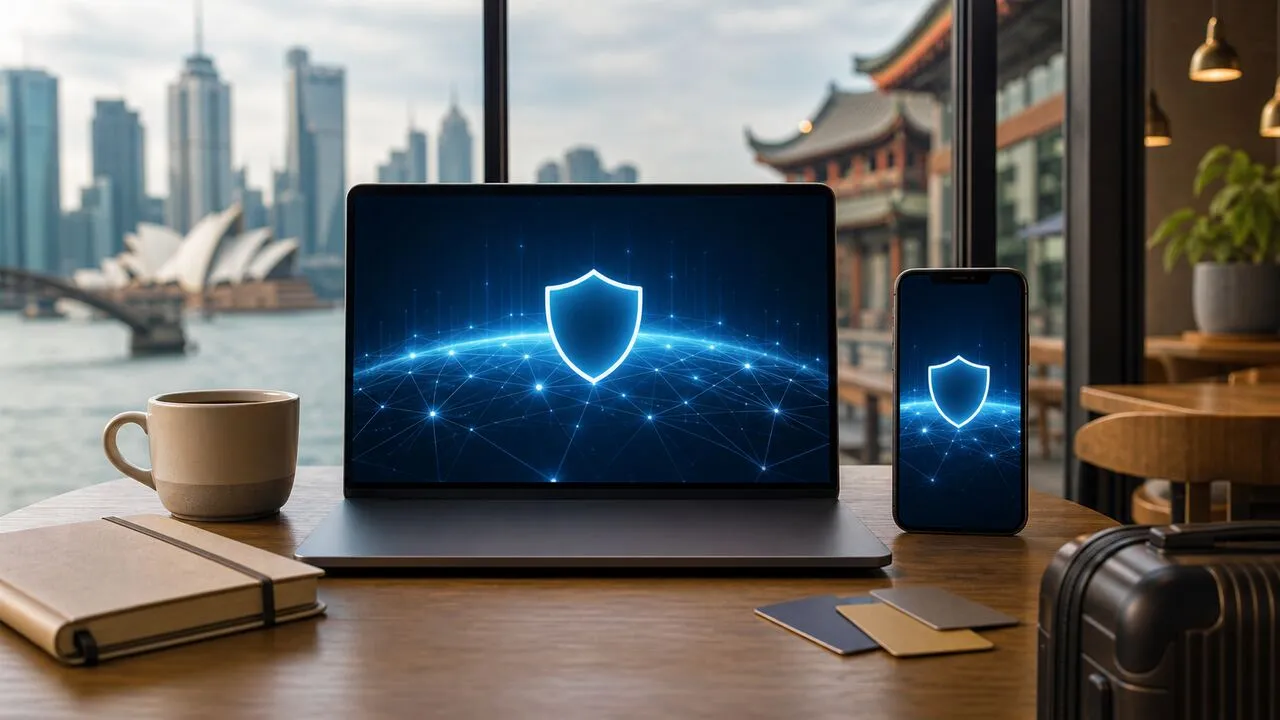
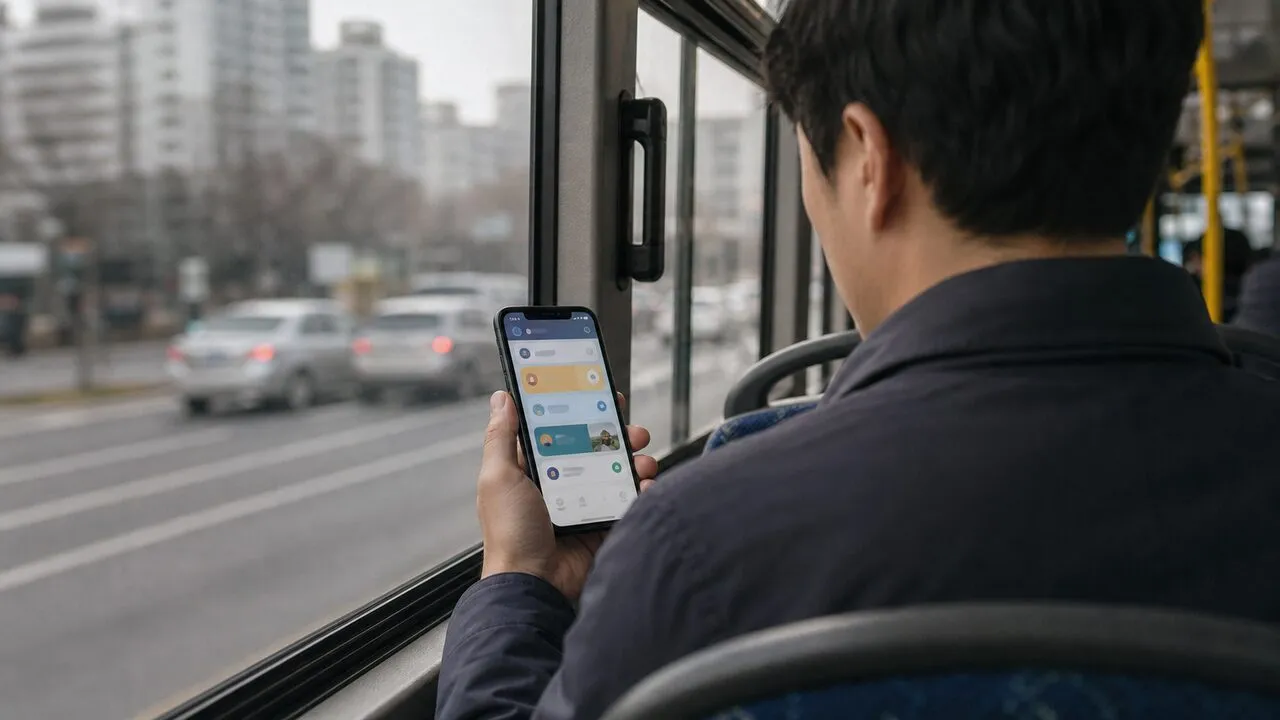
For Chinese speakers who live, study, or work abroad, internet safety is an ongoing household task rather than something to prepare once before a trip. The useful approach is to protect three things separately: the network carrying your traffic, the accounts that prove who you are, and the people you trust when something goes wrong. A VPN strengthens the first layer, while recovery methods and careful communication protect the other two.
Start with the networks you do not manage
A shared apartment router, student residence, coworking space, language school, or café may be part of everyday life for months. You often cannot see whether its software is current, whether guest devices are isolated, or who still knows the password. Treat that connection as shared even when it feels familiar.
Turn off automatic joining for unknown networks and disable file sharing or device discovery when you do not need them. Confirm the network name with the person responsible for the space. If a sign-in page asks you to install a certificate, ignore a browser warning, or enter an unrelated email password, leave the network. The public Wi-Fi safety checklist explains these checks in more detail.
Protect account access before a phone number changes
Long-term residents accumulate accounts in several places: email in one language, a mobile number from another country, school or work tools, cloud storage, shopping, and local services. The weak point is often not the password. It is an old phone number that remains the only way to approve a login or recover the account.
Review your most important accounts whenever you change mobile plans, devices, jobs, or homes. Add a backup email you still control, store recovery codes somewhere available if your phone is lost, and use an authenticator or trusted-device approval where the service supports it. Do not cancel a number until you know which accounts still depend on it. A VPN cannot receive a code, update an expired identity document, or convince a service that you own an account.
Expect scams to cross languages and family groups
In an English-speaking country, a genuine delivery update may arrive in English while family messages remain in Chinese. That mix makes fraudulent messages harder to judge: a fake parcel notice can resemble a local courier, while an impersonator may use a familiar Chinese name and claim that an overseas payment is urgent.
Create a family verification habit before an emergency. Confirm unusual requests through a second channel, ask a question only the real person can answer, and open the official service directly instead of following a message link. If a relative says they changed numbers, verify the change using the contact details you already had. Encryption on the network does not make the sender trustworthy.
Keep financial access in maintenance mode
People living abroad may keep a local bank, a card from another region, a remittance account, or access to a family account. The long-term job is simple: keep contact details current, check that account alerts reach you, and know the official support route before access becomes urgent.
Use a connection you trust for sensitive account changes, and never approve a prompt you did not start. For the actual login and network steps, use the dedicated guide to online banking abroad.
Know exactly what the VPN layer changes
Once connected, a VPN places the traffic leaving your device inside an encrypted tunnel to its server. On a shared local network, that reduces what the router operator or another person nearby can inspect or alter. It is useful when you read private messages, open documents, or sign in to ordinary accounts through a connection you do not control.
It does not verify a website, remove malware, reset an account, or override an employer’s rules. HTTPS, software updates, unique passwords, multifactor authentication, and careful link checking still matter. If your workplace requires its own corporate VPN, follow that policy instead of adding a personal service without permission. The broader boundary is covered in what data a VPN protects.
Build a routine that survives an ordinary bad day
Use the VPN when the network is shared and the activity is private; use mobile data or wait when a connection looks wrong. Once a month, review recovery details for email, cloud storage, work, school, and identity-related services. After replacing a phone, test the new device before wiping the old one. Keep operating systems, browsers, messaging apps, and password managers updated.
The test is not whether the setup looks advanced. It is whether you can still contact family, recover email, reach work files, and verify an important account after a lost phone or a broken shared router. A durable overseas setup has several small safeguards, so one failed network, number, device, or language cue does not become a crisis.